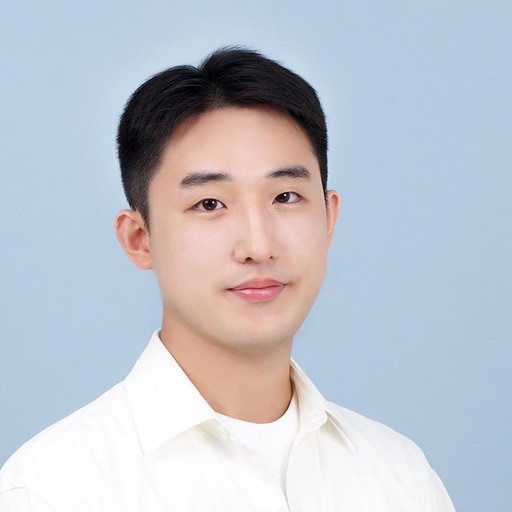
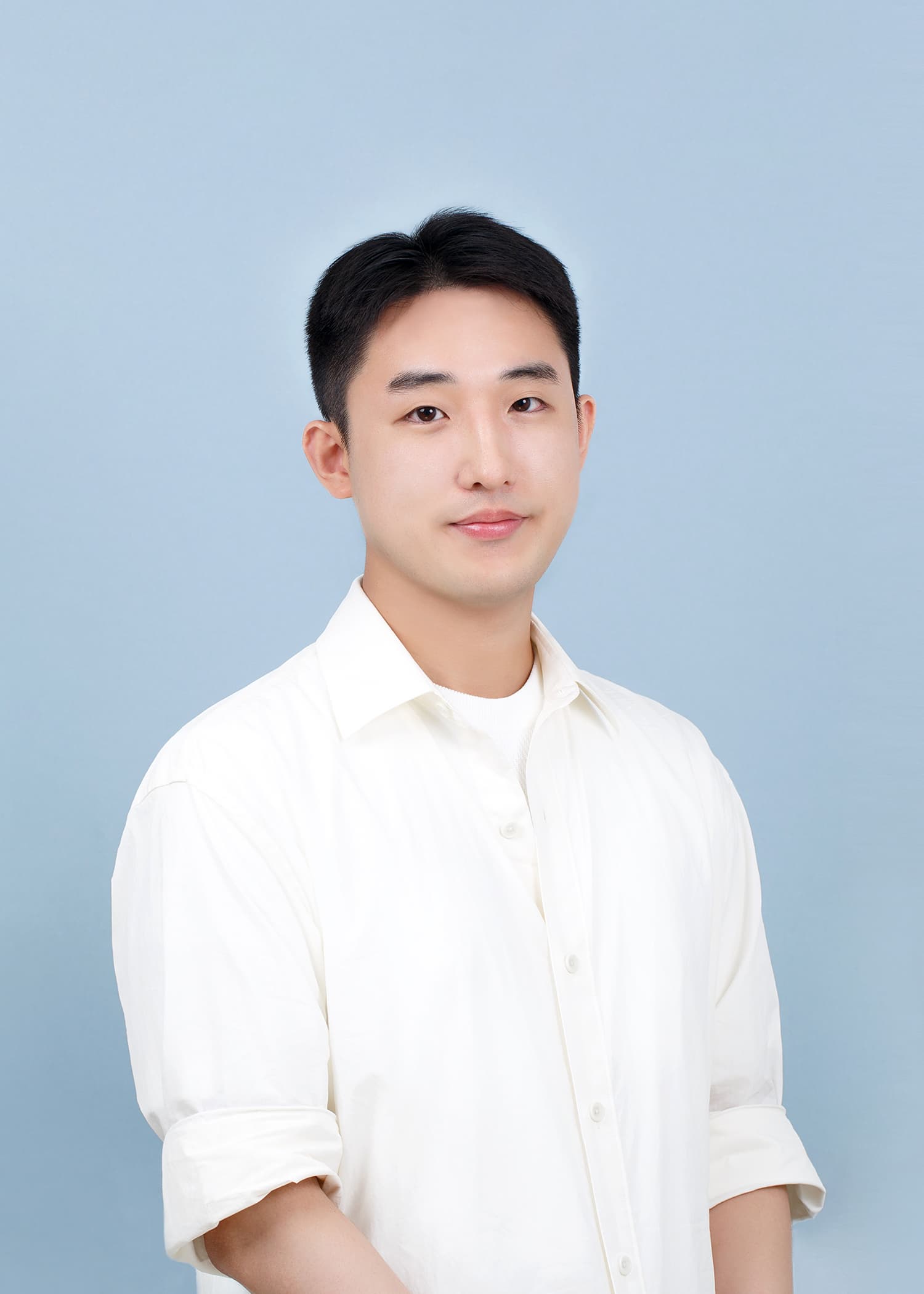
I’m Minseok Song. I build AI systems that work in real workflows.
Founder, Reliable Workflow
I started building software for a simple reason: I loved games and wanted to make my own. When I was 10, I built browser-based Flash games, and one of them reached #2 in weekly rankings with more than 5,000 plays. I still remember players telling me which parts felt boring and which felt fresh. Their feedback helped me improve the game one version at a time. Seeing people actually use something I made, react to it, and sometimes use it in ways I did not expect made me want to keep building software.
Later, I studied Industrial Engineering and Artificial Intelligence at Inha University. I wanted to go beyond making small games and use programming to solve real bottlenecks in systems, workflows, and operations. As AI became more practical, I became interested in a question that still guides my work: can we connect AI models, developer tools, and existing workflows to make complex human-driven processes simpler and more reliable? That led me to write Microsoft Tech Community tutorials on Azure AI, RAG systems, small language model fine-tuning, and Responsible AI evaluation, and eventually to contribute to PhiCookBook.
That same question led me to Co-op Translator. Co-op Translator uses Azure OpenAI and Azure AI Vision to translate and maintain open-source documentation across multiple languages. At first, it may look like a translation automation tool, but in practice it became a much deeper operational problem. Source documents keep changing. Markdown structure and links can break. Text inside images needs to be handled. Most importantly, the output needs to be reviewable by humans and trusted by maintainers inside a pull request workflow.
Localizeflow grew out of that experience. CI systems like GitHub Actions work well for short, predictable jobs, but they are not always the right place for long-running, failure-prone AI workflows across dozens of languages. With Localizeflow, I have been building an operational layer for multilingual documentation workflows: running jobs more reliably, tracking progress, retrying failures, and connecting the results back into pull requests. Along the way, I became a Microsoft MVP and presented my work on Co-op Translator and Azure AI workflows through Open at Microsoft, Microsoft Reactor, and Microsoft Learn Live.
What I care about most is not a polished demo, but operational evidence. Can the system retry when it fails? Can changes be tracked? Can a human understand and review the output? Can the workflow still be maintained months later? I want to keep working at the intersection of AI systems and developer infrastructure, building automation that does not simply replace human work, but turns it into something clearer, more reliable, and easier to trust.
Microsoft MVP is an independent community recognition, not employment with Microsoft.